The Allure of Risk and Reward
The thrill of engaging with casino games lies at the heart of the risk and reward paradigm. Players often seek an adrenaline rush, influenced by the unpredictable nature of chance. The notion that a player can turn a small stake into a substantial win creates a powerful motivation, fueling repeated engagement. This sensation is akin to a roller coaster ride, where the highs of winning can be exhilarating while the lows of losing can be equally impactful. Additionally, many enthusiasts turn to resources like spencer-film.com for insights on strategies that enhance their gameplay experience, driving individuals to take risks they may not typically consider in their everyday lives.
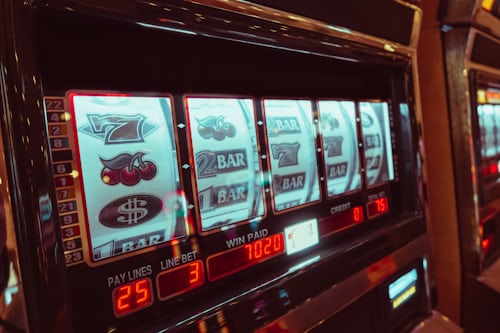
This dynamic taps into natural human instincts, particularly the dopamine release associated with risk-taking behaviors. When players win, their brains release dopamine, reinforcing the desire to play again. This biochemical response can create a cycle where the anticipation and eventual payout become addictive. Most casino games are designed to maximize this thrill, ensuring that players remain captivated and continuously return for more chances at victory. The combination of risk and reward is a powerful motivator, as it triggers a primal response that keeps players engaged.
Furthermore, the format of casino games—such as slot machines or poker—often capitalizes on this psychological principle. The design of these games incorporates bright colors, sounds, and flashing lights to enhance the sensory experience. These elements not only attract attention but also heighten emotional engagement, making the player more likely to engage in further gameplay, despite the risks involved. The atmosphere created by these sensory stimuli contributes to the overall experience, making it hard for players to resist returning for more.
The Influence of Cognitive Biases
Human cognition is fraught with biases, some of which play a significant role in gambling behaviors. One common bias is the illusion of control, where players believe they can influence the outcome of a game that is fundamentally based on chance. For example, a player may feel that their betting strategy or choice of numbers gives them an advantage in games such as roulette or slots, despite the fact that outcomes are wholly random. This misjudgment can lead individuals to engage in behavior that is not only irrational but also financially detrimental.
This belief can lead to overconfidence, directing players to wager larger amounts or engage in riskier bets. Such cognitive biases are manipulated by game designers, who often incorporate features that enhance the illusion of control. For instance, allowing players to choose their own bets in blackjack can create a perception of agency, despite the underlying randomness of outcomes. This sense of control can make the games more appealing, contributing to longer play sessions. The more players feel they can affect outcomes, the more they are likely to gamble, often leading to a cycle of riskier behavior.
Another cognitive bias prevalent in gambling is the gambler’s fallacy—the belief that past events can influence future outcomes. A player who experiences a series of losses on a particular slot machine may think they are “due” for a win, prompting them to continue playing in the hope that the tide will turn. This fallacy fosters a continuation of play, often leading to more significant losses, as players chase their perceived fortunes instead of recognizing the inherent randomness of the games. Understanding these biases is crucial for players to make informed decisions and avoid falling into the traps laid by their own cognition.
The Role of Social Interaction
Social dynamics play a prominent role in the enjoyment of casino games, influencing decisions and enhancing the gaming experience. Many games, such as poker and blackjack, are inherently social and rely on interaction with other players. This social aspect not only adds an additional layer of excitement but also encourages strategic thinking, as players assess their opponents’ behaviors while making decisions. The interaction and shared experiences can enhance the thrill of competition, making the games even more engaging.
The camaraderie and competition found in casino settings can create a sense of community among players. Shared experiences, such as celebrating a big win or commiserating after a loss, forge connections that enhance the overall enjoyment. These social interactions can help mitigate feelings of isolation, particularly for individuals who may struggle with social settings outside the casino environment. Such dynamics can lead to a positive atmosphere, encouraging players to return not just for the games but also for the social engagement that enriches their experience.
Moreover, casinos often capitalize on this by hosting tournaments and events that foster engagement. These gatherings increase player participation and build loyalty among regulars, as they become part of a larger community. The psychological impact of social validation and belonging can be significant, leading players to frequent casinos more often and enhance their overall enjoyment of the gaming experience. The blend of competition and community makes the casino environment uniquely appealing, reinforcing players’ desires to return.
The Mechanics of Game Design
The design of casino games is meticulously crafted to engage players on multiple levels. Game developers utilize elements of probability and psychology to create a compelling experience that keeps players coming back. The structure of payouts, the odds of winning, and the frequency of rewards are all strategically calculated to maintain player interest and investment. The intricate balance between risk and reward is a delicate art, ensuring players remain captivated while also managing their expectations.
For instance, the concept of near-misses in games like slot machines can play a powerful psychological role. When players come close to winning—such as landing two out of three matching symbols—they often interpret this as a sign that a win is imminent. This misperception can encourage continued play, as players feel that victory is just around the corner. Such design elements intentionally exploit cognitive biases and emotional responses, ensuring that players remain engaged. This clever manipulation of player psychology can lead to prolonged gaming sessions and increased expenditures.
Additionally, the use of progressive jackpots adds to the excitement and anticipation of gameplay. These jackpots grow larger as more players participate, often creating a sense of urgency and competition among players. The psychology behind the ‘big win’ continues to lure players in, compelling them to participate as they imagine the possibility of striking it rich. The combination of thoughtful mechanics and psychological insight makes casino games not just entertaining but also habit-forming for many players. Game designers are acutely aware of these psychological triggers, and they craft experiences that maximize player engagement and retention.
Understanding the Online Casino Experience
The rise of online casinos has transformed the landscape of gaming, bringing many of the psychological principles of traditional casinos into a digital format. Accessibility plays a crucial role in this transition; players can engage with their favorite games from the comfort of their homes, often leading to increased playtime. This convenience caters to players’ desires while aligning with their psychological predispositions toward risk-taking and reward-seeking behavior. The ease of access can blur the lines between casual enjoyment and compulsive gambling.
Online platforms enhance the gaming experience through innovative designs and features that leverage psychological tactics. For example, the use of personalized bonuses and rewards can create a sense of exclusivity and appreciation among players. Gamification features, such as levels and badges, mimic traditional loyalty programs but in a more engaging and interactive format, further enticing players to commit more time and resources to the platform. These elements not only enhance player engagement but also foster a sense of achievement and progression that keeps players returning.
Furthermore, the social interaction aspect is evolving through online forums, chat features, and live games. This digital socialization allows players to connect with others, compete in real-time, and share experiences, mirroring the community aspect found in physical casinos. As these elements continue to develop, understanding the psychology behind online gaming becomes essential for recognizing trends and patterns in player behavior, ultimately contributing to the growth and evolution of the casino industry. The blend of technology and psychology will shape the future of online gaming, making it an ever-evolving landscape that continues to attract new players.